RMC Health System: Putting the community back at the center of the patient experience
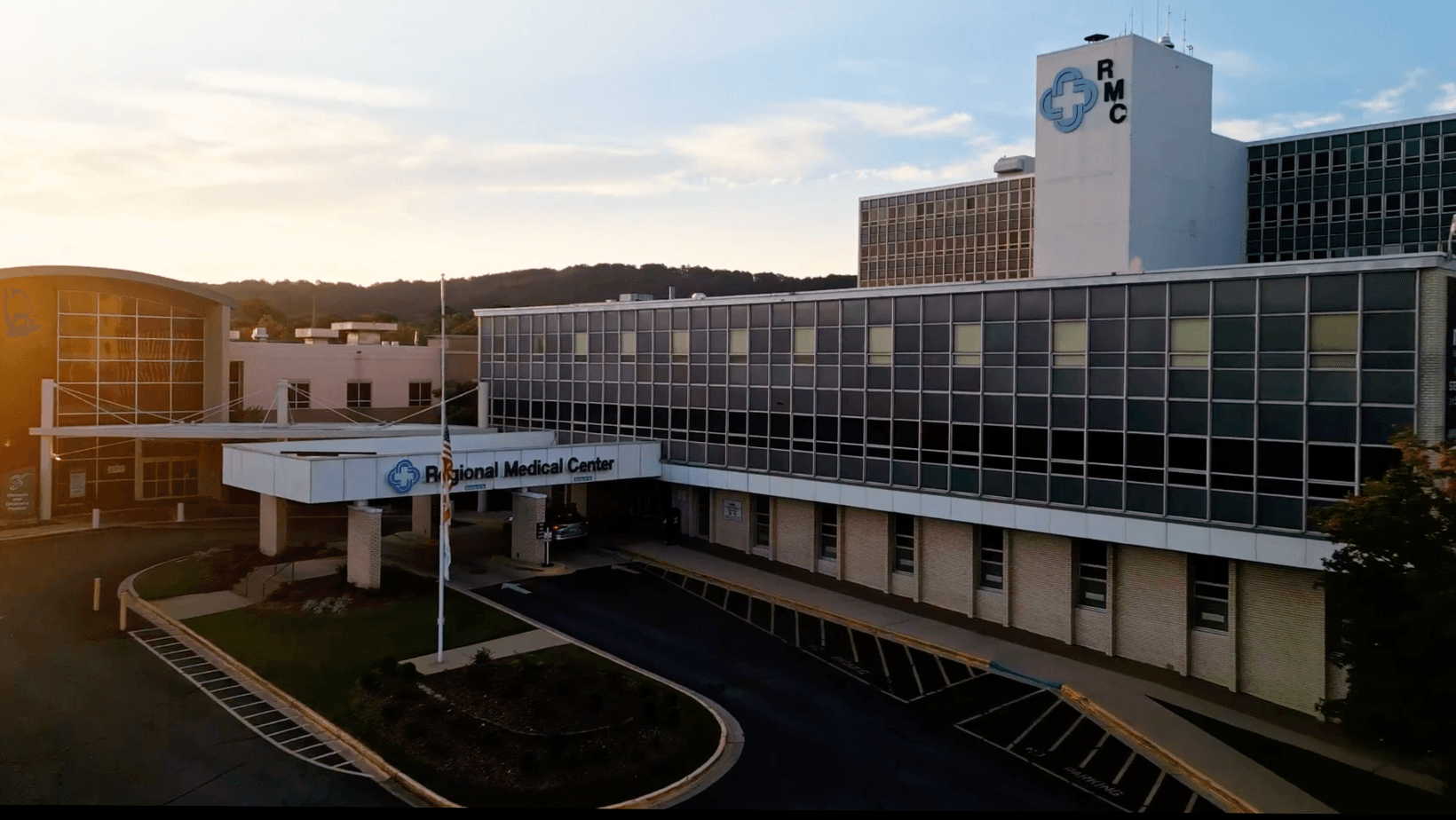
Nestled in Alabama’s Appalachian foothills and serving a vibrant community in the shadow of Mt. Cheaha and Talladega National Forest, RMC Health System (RMC) is a 323-bed hospital with a 48-bed Emergency Department that cares for more than 44,000 ED patients each year.
For decades, RMC has been an important part of its community. But as healthcare became more complex, hospital leaders recognized an opportunity to strengthen the relationship between the hospital, its patients and the families who depend on it.
In 2025, RMC made a commitment to put the patient and family experience at the center of every interaction.
That commitment meant more than improving satisfaction scores. Leadership wanted to fundamentally change how patients and families experienced care by combining better processes, stronger communication and technology that could help patients feel informed, heard and empowered.
RMC changed the way patients, families and caregivers communicate with one another, and technology helped make that change possible.
The Challenge
For RMC leadership, the Emergency Department was a natural place to begin.
As one of the hospital’s primary entry points, the ED often represents a patient’s first interaction with the health system. Long waits, uncertainty, unfamiliar medical terminology and limited communication with family members can quickly create anxiety and frustration.
RMC wanted to change that experience.
The goal was simple: make every patient and family interaction more transparent, more connected and more human.
The Solution
RMC selected Vital, an AI-powered patient communication and experience solution, as part of a broader patient experience transformation.
Chief Strategy Officer, Tripp Johnson explained the decision:
“We selected Vital because it was the one company that could support our mission to make our patient experience in the ED, our first patient entry point, the best experience it could be.”
Vital was initially introduced in the Emergency Department and subsequently expanded to the Medical-Surgical and Progressive Care units.
The technology gave patients and families access to timely, easy-to-understand information throughout the care journey, including what to expect, procedures, medications and test results. Communication was delivered in the patient’s preferred spoken language and in plain, non-medical language.
Just as importantly, patients and families had a new way to communicate their needs and ask questions without relying entirely on nurses and staff for every interaction.
Vital was not the transformation itself. It was an important part of RMC’s broader effort to improve processes, communication and the overall patient and family experience.
The Impact
A better Emergency Department experience
Within the first year, RMC began seeing measurable improvements in both patient perception and ED performance.
Patients and families reported feeling less anxious because they had greater visibility into their visit, including how long they might wait and what to expect next.
Staff also benefited. Patient care technicians could respond to requests for blankets, food and other needs without waiting for hourly rounds. Boarding patients had a way to communicate service requests even in areas without traditional nurse-call capability.
And patients increasingly felt that their voices were being heard.
The results were reflected in key metrics:
Google ratings increased from 1.6 to 3.9 stars
Left Without Being Seen (LWBS) decreased from 4.64% to 2.68% (42% reduction)
Patients reported feeling more heard and better able to understand their care
Boarding patients gained a direct way to request assistance in areas without nurse-call capability
The improvements extended beyond individual patient interactions. By keeping more patients in the system rather than leaving before receiving care, RMC was able to reduce a significant source of lost revenue and potential downstream care disruption.
Helping families understand the “why” behind care
On the Medical-Surgical unit, Vital quickly became a tool for more meaningful conversations between caregivers, patients and families.
One example involved the daughter of a patient who noticed an elevated white blood cell count in her mother’s results on the first day of hospitalization. When the count decreased the following day, she questioned why an antibiotic had not been ordered.
The nurse was able to explain that the subsequent results were normal and that the initial elevation was consistent with dehydration rather than an infection.
Because the daughter had access to the information and understood what she was seeing, she was able to ask a more informed question. The nurse could then provide context and reassurance.
The conversation ended with the daughter expressing gratitude for the explanation.
For RMC, this represents a larger shift in the patient experience: information becomes an opportunity for conversation rather than a source of confusion or anxiety.
Giving nurses more time at the bedside
The Progressive Care Unit (PCU), one of RMC’s busiest units, has seen another important benefit: fewer interruptions for routine family updates and more time for nurses to focus on patients at the bedside.
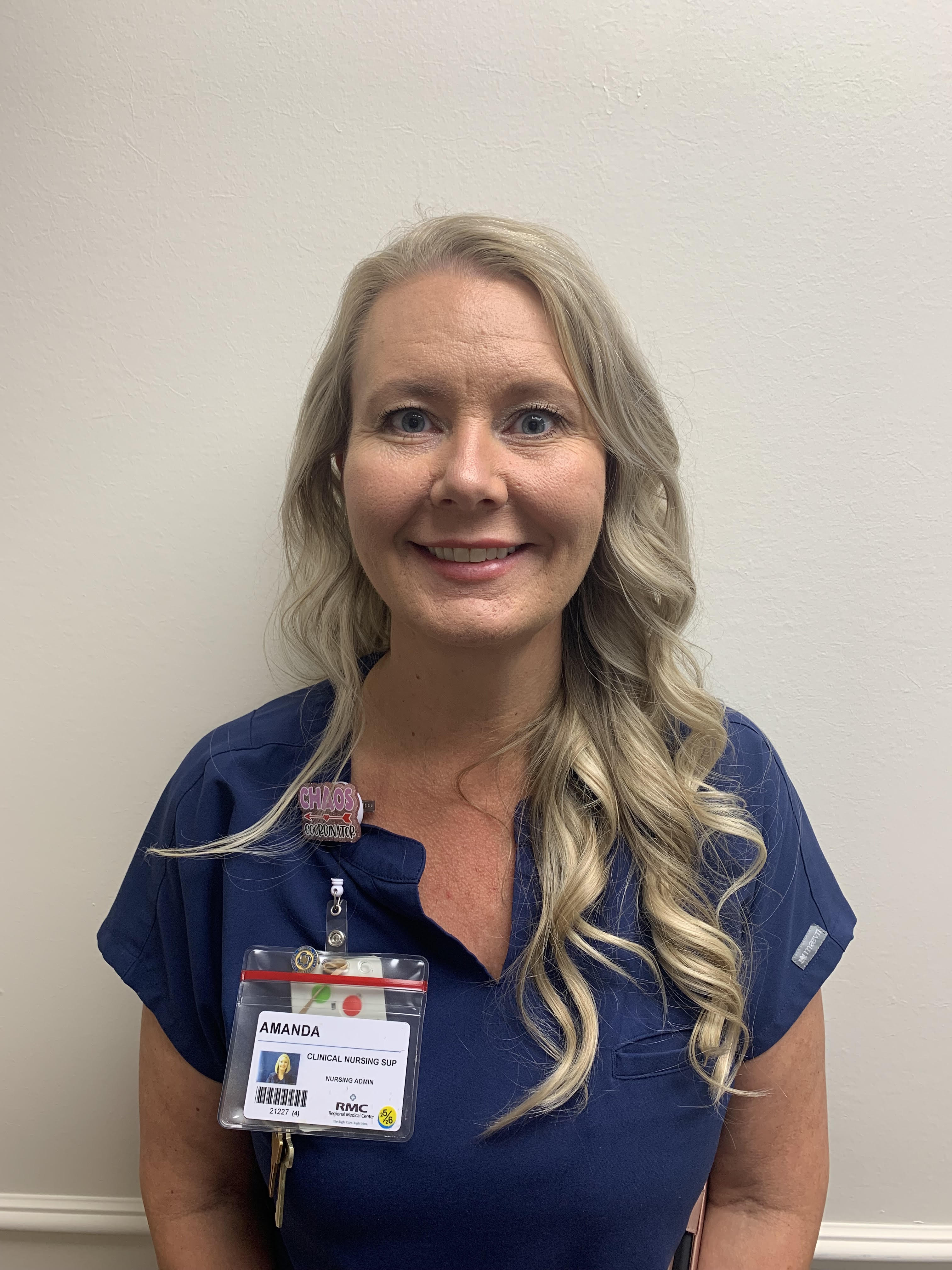
Amanda Stokes, RN, PCU Nurse Manager, saw firsthand how technology could change the dynamic between families and the care team.
Before Vital, families often relied on repeated phone calls to the nurses’ station for updates. With Vital, patients and families could access information about test results and upcoming procedures and use that information to ask more informed questions.
That changed the conversation.
Rather than spending time repeatedly answering basic status questions, nurses could have more meaningful discussions with patients and families about their care.
Amanda recalls one patient whose mother lived in another state. Before Vital, the patient’s mother called the nurses’ station approximately every 30 minutes because she was anxious and wanted updates.
After receiving access to Vital, the frequency of those calls decreased significantly. Instead, she was able to follow the information available to her and ask more specific questions about her child’s condition and results.
RMC estimates that approximately one hour of nursing time per day is being returned to the bedside through the reduction in family check-in calls.
For a busy PCU, that time matters.
Patients and families become partners in care
The change is not simply about reducing phone calls or improving operational metrics. It is about changing the relationship between patients, families and their care teams.
With greater visibility into their care, patients and families became more engaged. They could ask questions about lab results, imaging and upcoming procedures based on information they could understand.
That created opportunities for nurses to explain the “why” behind care and have conversations that were not happening before.
The result is a more collaborative experience in which patients and families are empowered to participate in their care rather than simply wait for information.
Nine months after implementation, the PCU’s Press Ganey patient experience scores had also significantly improved, including improvements in Plan of Care and Nurse-related measures.
A transformation in how RMC communicates with its community
What began as an effort to improve the patient experience in the Emergency Department has become something larger.
RMC changed the way patients, families and caregivers communicate with one another, and technology helped make that change possible.
The transformation was not about technology alone. It was about creating a culture where communication, transparency and patient empowerment became part of the care experience.
Vital became an important part of that broader transformation, helping RMC connect patients and families with understandable information while giving caregivers more opportunities to focus on meaningful conversations and care at the bedside.
As Amanda Stokes describes it:
“I have seen a change in the way patients talk about our care delivery. Patients tell me they are surprised and pleased with the compassionate care they have received at RMC. I want all of our care areas to have Vital because it changes the way we talk to patients and families and empowers them to own their care.”
For RMC, better communication is becoming more than a patient experience initiative. It is becoming a new way of caring for its community.